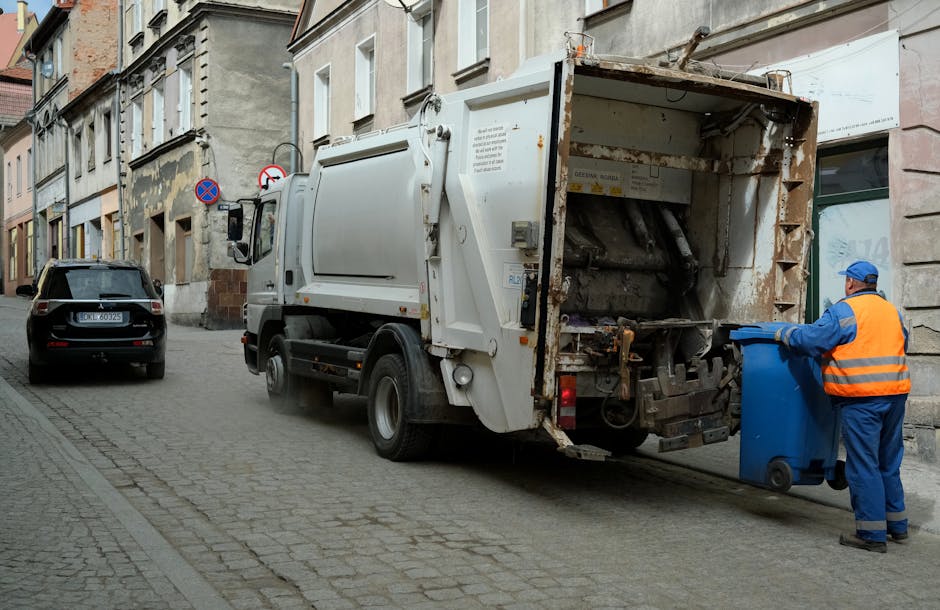
Cheap rubbish clearance Rye Lane Bellenden Road Peckham: a practical local guide to getting clutter gone without paying over the odds
If you live, work, or rent around Rye Lane, Bellenden Road, or wider Peckham, rubbish has a habit of building up faster than you expect. One broken wardrobe turns into two bags of odd bits, then an old sofa appears in the hallway, and suddenly the spare room looks like a storage unit. Cheap rubbish clearance Rye Lane Bellenden Road Peckham is really about getting that mess removed quickly, safely, and at a fair price - without the usual faff.
That sounds simple, but the cheaper option is not always the best value. The trick is knowing what should be removed, how prices are usually worked out, what questions to ask, and how to avoid getting caught out by vague quotes or sloppy service. This guide walks through the practical side of rubbish clearance in Peckham so you can make a sensible decision, whether you need a one-off collection, help after a clear-out, or a tidy-up before a move.
Below, you will find a clear explanation of how it works, who it suits, what to check before booking, and where rubbish clearance overlaps with services like general waste removal and furniture disposal. Nothing overblown. Just useful, local, real-world guidance.
Table of Contents
- Why Cheap rubbish clearance Rye Lane Bellenden Road Peckham Matters
- How Cheap rubbish clearance Rye Lane Bellenden Road Peckham Works
- Key Benefits and Practical Advantages
- Who This Is For and When It Makes Sense
- Step-by-Step Guidance
- Expert Tips for Better Results
- Common Mistakes to Avoid
- Tools, Resources and Recommendations
- Law, Compliance, Standards, or Best Practice
- Options, Methods, or Comparison Table
- Case Study or Real-World Example
- Practical Checklist
- Conclusion
- Frequently Asked Questions
Why Cheap rubbish clearance Rye Lane Bellenden Road Peckham Matters
Peckham is busy, dense, and constantly moving. Flats turn over, small businesses refresh stock, households downsize, and renovations seem to happen on every other street. In that kind of environment, rubbish builds up in ways that are more annoying than dramatic - but still disruptive. A blocked hallway, an overflowing front garden, or a pile of broken furniture in a shared entrance can become a real problem fast.
Cheap rubbish clearance Rye Lane Bellenden Road Peckham matters because local residents usually want three things at once: a fair price, a quick turnaround, and someone who can handle awkward access. That may mean narrow staircases, shared courtyards, parking that disappears in a blink, or a top-floor flat with no lift. Local knowledge counts here. It saves time, and frankly, it saves stress.
There is also the money side. When people search for cheap clearance, they are not always looking for the absolute lowest price. They usually want value: no surprise charges, no hidden "call-out" extras, and no endless waiting. A cheap service that turns out messy or unreliable is not cheap at all. To be fair, that is true for most things in London.
And then there is the practical reality of waste. Old furniture, builder's debris, bags of mixed junk, and garden waste can all need different handling. A decent clearance service should be able to explain what they can remove, what might need special attention, and how they keep the process tidy. If they cannot explain that clearly, you may want to keep looking.
How Cheap rubbish clearance Rye Lane Bellenden Road Peckham Works
The basic process is straightforward, even if the job itself is not. In most cases, you contact the clearance provider, describe what needs removing, get an estimate, and book a time. On arrival, the team checks the load, confirms the price if needed, and removes the waste for sorting, disposal, and recycling where appropriate.
What affects the price? Usually a mix of volume, weight, labour, access, and the type of rubbish. A few black bags are very different from a smashed wardrobe, an old mattress, and half a garage full of odds and ends. If the waste is easy to reach and quick to load, the job can be more economical. If the team has to carry items down several flights of stairs or navigate a tight Peckham mews, the job takes longer. Fair enough.
Some jobs are simple household clearances. Others are more specific, such as disposing of old office chairs, clearing out a loft, or removing leftover materials after a DIY project. If your waste is mixed - say, a dead printer, some timber offcuts, and a dismantled bookcase - it helps to mention that up front. The cleaner the information, the better the quote.
Many people also choose services like flat clearance or house clearance when the job is bigger than a few bins' worth. That is often the better route if you want one team to handle the whole thing rather than juggling multiple trips.
Key Benefits and Practical Advantages
The biggest benefit is obvious: you get your space back. But there are a few less obvious advantages too, and they matter just as much in practice.
- Less time wasted sorting logistics. You do not need to borrow a van, find helpers, or make repeated trips to dispose of the same mess.
- Safer lifting and carrying. Heavy items like wardrobes, appliances, and desks can be awkward, especially in older Peckham properties.
- Better use of small spaces. In local flats and terraces, clearing even one room can make the whole home feel calmer.
- Cleaner handovers. If you are renting, selling, or finishing a tenancy, a neat clearance helps you present the property properly.
- More sensible sorting. Reputable teams tend to separate reusable items, recyclable materials, and true waste rather than just tossing everything together.
There is also a mental benefit that people underestimate. A clear room changes how a home feels. You hear it in the echo, see it in the floor space, and suddenly the job seems more manageable. A lot of customers notice that moment and say, "Right, that's better." Simple, but powerful.
If you want a service that fits a wider home project, it can help to look at related options like home clearance or garage clearance, especially when the rubbish is part of a bigger declutter rather than a one-off bag collection.
Who This Is For and When It Makes Sense
This kind of rubbish clearance is useful for a wide range of people. It is not just for people in a crisis clear-out, though those happen too. Truth be told, most jobs are somewhere in the middle: mildly urgent, mildly annoying, and absolutely necessary.
You may need it if you are:
- moving out of a flat or terrace and need a fast clear-up
- decluttering after months of "I'll deal with that later"
- replacing old furniture and want the old items removed properly
- finishing a light renovation or DIY project
- clearing landlord leftover items after tenants have gone
- tidying an office, shop back room, or shared business storage area
- dealing with garden waste after a seasonal trim or outdoor refresh
It also makes sense for people who simply do not want the hassle. Not everyone has the time, transport, or energy to haul waste across Peckham on a busy afternoon. And why would you, if a clearance team can do the heavy lifting in one visit?
For business users, a service like business waste removal can be especially helpful when you need a regular, tidy solution rather than a one-off favour. For builders, builders waste clearance is usually the better fit after decorating, strip-outs, or small refurb jobs.
Step-by-Step Guidance
If you want the process to stay cheap, smooth, and fairly stress-free, it helps to prepare properly. A little effort before the team arrives can lower the risk of misunderstandings and make the job much quicker.
- Make a rough list of what needs removing. Include bulky items, bagged waste, and anything that might need special handling.
- Separate rubbish from items you want to keep. It sounds obvious, but this is where people often trip up. One mixed pile can become a slower job than expected.
- Take a few photos if you can. Images help the provider judge the volume and the access conditions more accurately.
- Check access details. Mention stairs, parking, loading space, narrow entries, or permit restrictions if they apply.
- Ask what is included in the quote. Make sure collection, labour, disposal, and any likely extras are clear before booking.
- Confirm payment terms and timing. A straightforward provider should be able to explain these clearly. No mystery, no vague hand-waving.
- Walk through the load on arrival if needed. A short check at the start can prevent awkward surprises later.
If the job involves furniture, you may also want to combine it with furniture clearance or furniture disposal. That can be more efficient than splitting the task into separate bookings, especially when storage space is tight and you want the room back today, not next week.
A small but useful habit: keep one corner of the space clear for loading. It makes the whole thing feel less chaotic. And yes, the team will appreciate it. Everyone does.
Expert Tips for Better Results
Here is the practical bit most people wish they had before booking. A few small choices can make a noticeable difference to cost and convenience.
- Be honest about the volume. Understating the amount of rubbish can lead to awkward revisions on the day.
- Ask whether items are reusable. Some teams can separate salvageable pieces from true waste, which can be useful and more sustainable.
- Book when access is easiest. Mid-morning or early afternoon may be less painful than trying to squeeze everything around school runs or peak delivery times.
- Keep mixed waste together only if necessary. If you can split general junk, wood, metal, and furniture, the job may be easier to handle.
- Use the service for the right scale of job. A single bag is not always worth a full clearance slot; a larger job usually is.
Another useful tip is to look beyond the headline price. A quote that seems slightly higher but includes labour, loading, transport, and responsible disposal can be better value than a "cheap" offer that keeps growing. You know how it goes - the bargain suddenly isn't a bargain anymore.
If sustainability matters to you, ask how items are handled after collection. A service with clear recycling intent should be able to explain its general approach. You can also review a provider's recycling and sustainability approach before you book, which is a sensible habit, especially for larger clear-outs.
Common Mistakes to Avoid
Most clearance problems are avoidable. The trouble is, people often rush the booking because they want the clutter gone yesterday. Fair enough - but a rushed decision can cost more than it should.
- Choosing only on price. Cheap can be excellent, but not if the provider is unclear, uninsured, or poor at communication.
- Not checking access. A top-floor flat with no parking is very different from a driveway job.
- Leaving the sort-out until the crew arrives. That slows everything down and can increase the time on site.
- Forgetting about restricted items. Some things may need special handling, so mention them early.
- Assuming the quote covers everything. Ask what happens if the load is bigger than expected or harder to carry than described.
One subtle mistake is not asking about recycling or disposal methods. Even if that is not your main concern, it is a sign of a more professional operation when they can talk through their process without sounding vague.
Another one? Waiting until the rubbish becomes a blockage. Once bins are full and hallways are crowded, the job stops being tidy and starts becoming a nuisance. Better to clear it earlier. Much easier on everyone.
Tools, Resources and Recommendations
You do not need much to prepare for rubbish clearance, but a few simple tools can help you get organised before anyone arrives.
- Strong bin bags or rubble sacks for loose household waste
- Marker pens or labels if you want to keep items separate
- Measuring tape for bulky furniture or awkward items
- Phone camera for quick photos of the load
- Gloves and sturdy footwear if you are moving anything yourself beforehand
On the service side, it is often useful to compare related clearance options so you can choose the right scope. A few pages worth checking are loft clearance if the waste is tucked away upstairs, office clearance for work premises, and garage clearance if the mess is gathering in storage space.
If you want a broader service overview, waste removal is the general umbrella term. That can be helpful when you are not quite sure whether your job is best described as a clearance, a disposal task, or just a mixed rubbish removal. Honestly, many real jobs are a bit of all three.
Law, Compliance, Standards, or Best Practice
Rubbish clearance is not just a practical matter; there are also legal and environmental expectations to keep in mind. You do not need to become an expert in waste law, but you should know the basics.
In the UK, waste should be handled responsibly, and anyone removing it professionally should be able to act in line with proper waste handling practice. In plain English: waste should go where it is meant to go, not dumped somewhere questionable because it is easier or cheaper. If a price sounds unrealistically low, ask yourself how the provider is actually covering transport, labour, and disposal. It is a fair question.
For you as the customer, best practice is simple:
- describe the waste honestly
- avoid mixing rubbish with items you want to keep
- ask how the provider handles disposal and recycling
- keep records of the booking and agreed price
- use a company that is clear about safety, insurance, and terms
If you want to check the company's approach to safety and reassurance, their health and safety policy and insurance and safety information are useful places to look. For payment clarity, payment and security can also help set expectations before you book.
It is also sensible to review the provider's terms and conditions and complaints procedure. That may sound a bit formal, but it can save hassle if something needs clarifying later. Nobody enjoys that conversation, but better to know where you stand.
Options, Methods, or Comparison Table
Not every clear-out needs the same solution. The best choice depends on scale, speed, and how much effort you want to spend doing it yourself. Here is a simple comparison to help.
| Option | Best for | Pros | Trade-offs |
|---|---|---|---|
| DIY disposal | Very small loads | Can be cheap if you already have transport | Time-consuming, physical effort, multiple trips |
| Skip hire | Longer projects with lots of waste | Useful for ongoing work and larger volumes | Needs space, permits may be needed, you do the loading |
| Professional rubbish clearance | Quick removal, bulky items, awkward access | Fast, hands-off, often better for flats and tight streets | Usually costs more than doing it yourself |
| Specialist clearance service | Whole-room, property, or business clear-outs | Better for larger or more varied jobs | May be more service than you need for a tiny task |
For many Rye Lane and Bellenden Road households, professional clearance is the sweet spot. It is quick enough to stop the mess lingering, but flexible enough to handle a mix of furniture, bags, and awkward bits that do not fit neatly into a standard bin run. If the job is more about a property being emptied, then house clearance is usually the cleaner fit.
Case Study or Real-World Example
Picture a typical Peckham flat: two bedrooms, a narrow stairwell, and a living room where an old sofa, a broken shelving unit, and six bags of mixed junk have slowly taken over the corner. Nothing dramatic. Just the kind of clutter that grows when everyone is busy and no one wants to deal with it on a rainy Tuesday.
The resident wants the place cleared before a handover at the end of the week. They send a few photos, mention the stairs and limited parking, and ask for a straightforward collection. Because the information is clear, the team can plan for the access and estimate the load properly. The job is completed in one visit, and the room is left usable again.
What made that work? Not magic. Just a clear description, a realistic expectation of what needed moving, and a provider that knew how to handle the local access conditions. The difference between a smooth job and a messy one often comes down to those basics.
In a slightly larger example, a small Peckham office may need old desks, a filing cabinet, and surplus chairs removed after a layout change. That is where office clearance can be a more fitting service than a general household collection. Same idea, different setting.
Practical Checklist
Use this quick checklist before you book. It is simple, but it catches most of the avoidable problems.
- Know roughly what needs removing
- Separate keepers from rubbish
- Take a few clear photos
- Mention stairs, parking, and access limits
- Confirm what is included in the price
- Ask how mixed waste is handled
- Check terms, payment details, and any likely extras
- Choose the right service type for the job size
- Leave a clear loading area if possible
- Keep the booking details somewhere easy to find
Expert summary: The cheapest rubbish clearance is not always the best deal, but a clear quote, honest description, and good access planning usually keep costs sensible and the whole process far less stressful.
Conclusion
Cheap rubbish clearance Rye Lane Bellenden Road Peckham is really about smart, local, practical waste removal. When you choose the right provider, prepare the job properly, and keep expectations realistic, the result is straightforward: less clutter, less hassle, and a space that feels easier to live or work in.
The best outcomes usually come from simple habits - accurate descriptions, sensible comparisons, and a little attention to access details. That is true whether you are clearing a single bulky item, a flat full of mixed rubbish, or the remains of a longer project. Nothing fancy. Just good planning and a provider who knows the area well enough to work around the real-world quirks of Peckham streets and properties.
If you are ready to sort the mess out properly, make the first step count and choose a service that is transparent, careful, and easy to deal with. That alone removes a lot of the stress.
Get a free quote today and see how much you can save.
And once the last bag is gone, there is a lovely kind of quiet that comes with an empty floor and a clean start. Funny how satisfying that can be.
Frequently Asked Questions
What does cheap rubbish clearance in Rye Lane, Bellenden Road, and Peckham usually include?
It usually covers the collection, loading, transport, and disposal of household or mixed rubbish. The exact scope depends on the provider and the type of waste, so it is worth checking what is included before booking.
How do I keep rubbish clearance costs down?
Be clear about the amount and type of waste, group items together neatly, and mention access issues early. The more accurate the information, the less likely you are to get a revised quote on the day.
Is rubbish clearance cheaper than skip hire?
Sometimes yes, especially for smaller jobs or places with awkward access. Skip hire can suit longer projects, but you still have to load it yourself and you may need space or a permit, depending on where it sits.
Can bulky furniture be removed as part of rubbish clearance?
Yes, bulky furniture is commonly included. Sofas, wardrobes, beds, and tables are often handled through furniture-related clearance or disposal services, depending on the job.
What if I live in a flat with stairs and no lift?
That is very common in Peckham, and it is exactly the sort of detail you should mention early. Access affects time and labour, so good providers will want to know about stairs, tight corners, and parking before they arrive.
Do I need to sort the rubbish before collection?
Not always, but it helps. Separate items you want to keep, and if possible group similar waste together. A tidy setup makes the whole process faster and lowers the chance of confusion.
How quickly can rubbish clearance usually be arranged?
Often quite quickly, though it depends on demand and job size. Small or straightforward jobs are easier to book than larger clear-outs that need more time and planning.
Is it safe to leave the rubbish outside for collection?
Only if the arrangement has been clearly agreed and the waste will not cause a blockage, trip hazard, or neighbour issue. In many cases, it is better to keep items in a designated loading area until the team arrives.
What should I ask before booking a clearance service?
Ask what is included in the quote, how they handle disposal and recycling, whether access affects the price, what payment methods are accepted, and whether there are any restrictions on certain items. Simple questions, but they matter.
Is there a difference between rubbish clearance and waste removal?
People often use the terms interchangeably. In practice, rubbish clearance usually suggests a hands-on collection and removal job, while waste removal is the broader term. Both can cover similar services.
What should I do if I have mixed waste from a renovation?
Say so from the start. Mixed renovation waste may include wood, packaging, rubble, broken fixtures, and other material. A service like builders waste clearance is often the better fit for that kind of job.
How do I know if a company is trustworthy?
Look for clear pricing, plain-language terms, sensible insurance and safety information, and an easy explanation of how the job will be handled. If the quote feels vague or too good to be true, pause and ask more questions.
Can I combine several types of clearance in one booking?
Often yes, especially if the waste is all being removed from the same property. For example, a household job might overlap with furniture clearance, garage clearance, or loft clearance. That can be more efficient than booking separate visits.