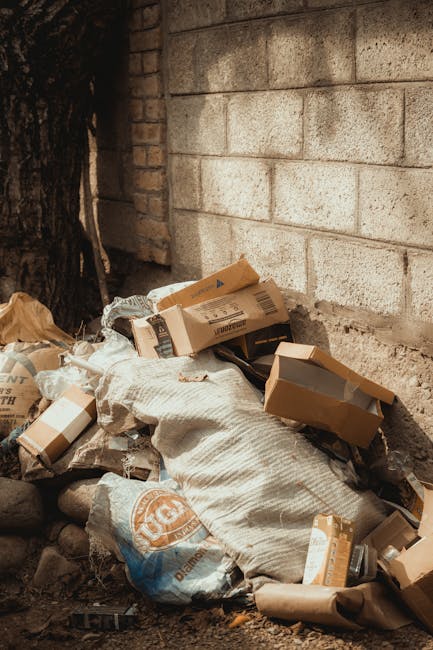
Peckham business rubbish collection for shops and offices

If you run a shop, cafe, salon, studio, or office in Peckham, rubbish has a habit of building up faster than you expect. One day it is a few cardboard boxes and broken packaging; the next, you are staring at old shelves, worn chairs, stockroom clutter, and bags that are starting to make the back room feel cramped. Peckham business rubbish collection for shops and offices is the straightforward way to keep that space clear, safe, and workable without disrupting the day-to-day business.
This guide breaks down what business rubbish collection actually involves, how it works in practice, what to watch out for, and how to choose a sensible service for a commercial space in Peckham. It is written for people who need answers, not fluff. Let's get into it.
Why Peckham business rubbish collection for shops and offices Matters
Commercial waste is not just a nuisance. In a retail or office setting, it affects how the place looks, how easily people can move around, and even how quickly the team can work. A cluttered stockroom can slow a staff member down five times a day, which sounds small until you multiply it across a week. Then there is the customer side. No one wants to walk past bags of broken fittings, old packaging, or a wobbling pile of desk chairs on the way into a business.
In Peckham, where many businesses operate in compact premises and shared buildings, rubbish removal needs to be planned rather than improvised. Back lanes can be tight, loading space can be awkward, and business hours can be busy. That means collection has to fit around real life. Not the other way around.
There is also the practical responsibility angle. Shops and offices generate mixed waste streams, and if disposal is handled badly, it can create avoidable mess, trip hazards, smells, and stress. To be fair, most business owners do not need a lecture on waste management. They need the waste gone, properly, and with minimal disruption. That is the whole point.
Expert summary: good commercial rubbish collection is not only about taking things away. It is about keeping the workspace tidy, protecting staff and visitors, reducing operational friction, and making sure waste is handled in a way that stands up to normal UK business expectations.
If your office refresh is turning into a larger clear-out, it may also help to look at office clearance for bigger items such as desks, filing cabinets, and surplus furniture. For more general commercial waste needs, business waste removal is often the most relevant starting point.
How Peckham business rubbish collection for shops and offices Works
In practice, business rubbish collection is usually arranged around the volume, type, and timing of waste. For a shop, that might mean regular pick-ups of packaging, display waste, broken stock, or store-room clutter. For an office, it often means old IT equipment, paper waste, furniture, archive boxes, and general clear-out items after a refit or relocation.
The process is usually simple, but the detail matters.
Typical workflow
- Initial assessment: You explain what needs removing, roughly how much there is, and whether the waste is general rubbish, furniture, mixed commercial waste, or something bulkier.
- Access planning: The collection team checks how they will reach the property, where parking may work, and whether there are stairs, tight corridors, or loading restrictions.
- Collection time arranged: A sensible provider will try to work around trading hours, staff shifts, or quieter periods so the collection does not get in the way.
- Removal and loading: The waste is taken away, usually from the shop floor, back room, office, basement, or storage area.
- Sorting and disposal: Suitable items are separated for recycling or reuse where possible, while other waste is handled appropriately.
That sounds straightforward, and often it is. But the real skill is in the logistics. A small office in Peckham High Street, for example, can present very different access issues from a ground-floor shop with rear entry. The collection itself may only take an hour or two, yet the planning beforehand is what keeps it smooth.
If the job involves worn furniture or fixtures, you may also find the related services furniture disposal and furniture clearance useful, especially where items need to be removed carefully without damaging floors or walls.
What usually counts as business rubbish?
- Cardboard, shrink wrap, and packaging
- Broken shelving, fixtures, and fittings
- Old office chairs, desks, and tables
- Retail display items and signage
- Archive boxes and redundant paperwork, where handled appropriately
- Stockroom clutter and mixed general waste
- Electrical items, if the collector accepts them and they are handled correctly
Some jobs are simple. Others are a bit more chaotic. You know the sort: a back room that somehow became the final resting place for three broken printers, half a till counter, and boxes nobody remembers ordering. Happens all the time.
Key Benefits and Practical Advantages
A well-run rubbish collection gives you more than an empty floor. It gives you breathing room. In commercial spaces, that matters.
1. Better use of space
When the back office or stock area is full of unwanted items, staff work around the clutter instead of using the room properly. Removing surplus waste opens up storage, improves workflow, and helps the premises feel organised again.
2. Safer working conditions
Loose packaging, leaning furniture, and overfilled bags can create slips, trips, and awkward lifting situations. Clearing waste promptly reduces those day-to-day risks. In a busy shop, that can make a real difference.
3. Less disruption to trade
Commercial collections are often designed to be quick and coordinated. That means less downtime for the business and fewer interruptions to customers or staff. For many owners, that is the main win.
4. Better presentation
First impressions matter. A neat entrance, tidy stock room, and clear staff area help the business look professional, even if the collection itself happened out of sight. And yes, customers notice these things more than we like to admit.
5. Easier compliance and record-keeping
Using a proper waste collection service makes it easier to show that business rubbish has been handled responsibly. That is especially useful if you manage a multi-site operation, a landlord property, or a retail unit with regular clear-outs.
6. Sustainability benefits
Not every item needs to go straight to disposal. Some materials can be separated for recycling, and some furniture or fittings may be suitable for reuse. If reducing waste is part of your business values, this matters. For a closer look at how that side is approached, see the company's recycling and sustainability approach.
| Benefit | What it means in practice | Why it matters |
|---|---|---|
| Space | More usable floor and storage area | Staff can move and work properly |
| Safety | Fewer obstacles and less clutter | Lower risk of trips and awkward lifting |
| Speed | Waste removed in one organised visit | Less disruption to trading |
| Presentation | Tidier customer and staff areas | Better professional impression |
| Responsibility | Waste handled in a structured way | Supports good business practice |
Who This Is For and When It Makes Sense
This service is for anyone in Peckham who runs a commercial premises and needs rubbish removed without turning the day into a logistical headache.
It often makes sense for:
- Independent shops clearing packaging, stockroom waste, or old fittings
- Small offices replacing desks, chairs, or storage units
- Retail units after a refit, close-down, or seasonal reorganisation
- Start-ups setting up a space and needing old materials taken away
- Landlords or managing agents handling end-of-occupancy waste
- Hospitality venues disposing of worn furniture or surplus back-of-house items
There is no single "right" moment. Usually, the need becomes obvious when waste starts affecting work. Maybe a shelf is blocked. Maybe there is a pile-up near the entrance. Maybe the office manager has spent three weeks moving boxes from one corner to another, which is not really a strategy, despite everyone pretending it is.
If the job is mainly about clearing office contents, office clearance can be a more focused route than general rubbish collection. If the waste is mixed and bulky, waste removal may be the broader option to consider.
Signs you should not leave it any longer
- Staff are working around piles of waste
- The customer-facing area looks untidy
- Stored items are getting in the way of stock rotation
- The back room is becoming hard to clean properly
- Items are being moved from one place to another instead of removed
Step-by-Step Guidance
If you want the collection to go smoothly, a bit of prep goes a long way. Nothing dramatic. Just sensible, practical sorting before the team arrives.
Step 1: Identify what actually needs removing
Make a quick list of waste items and separate them into rough groups: general rubbish, furniture, cardboard, fixtures, or anything special. You do not need a perfect inventory, but the more accurate the list, the easier it is to plan.
Step 2: Check access
Look at the route from the waste area to the vehicle. Are there narrow doorways? Stairs? A shared corridor? Is parking awkward? These details shape the collection plan more than people expect.
Step 3: Clear a working path
Move obstacles out of the way where you can. Even a small gap can save time and reduce the chance of things getting knocked over. In a shop, this might mean temporarily shifting display stock. In an office, it could be moving chairs away from the corridor.
Step 4: Separate anything reusable or sensitive
If there are items that should be kept, donated, reused, or disposed of separately, put those aside early. Sensitive paperwork should be dealt with properly, and any item containing data should not be treated casually. Better safe than sorry, honestly.
Step 5: Confirm timing around trading hours
Many businesses prefer early morning, late evening, or quieter periods. If you are running a customer-facing site, this can make the whole process less stressful. A calm collection is usually a faster one too.
Step 6: Ask how items will be handled
It is reasonable to ask what happens next. Will items be sorted? Can anything be recycled? Are there restrictions on what can be taken? A trustworthy provider should be clear and direct about this.
Step 7: Keep the site contactable
On the day, make sure someone is available to answer access questions. Sometimes the difference between a smooth collection and an awkward delay is simply having the right person on hand for ten minutes.
Expert Tips for Better Results
Small improvements make commercial waste collection noticeably easier. These are the details that tend to separate an efficient job from a messy one.
- Group similar items together. Cardboard with cardboard, furniture with furniture. It saves time and reduces confusion.
- Label what stays and what goes. It sounds basic, but it prevents mistakes when several people have been tidying the same space.
- Take photos before the collection if the job is large. This helps with planning and avoids misunderstandings. No drama, just clarity.
- Plan around deliveries and stock movement. In shops especially, a clearance booked right before a delivery can create unnecessary bottlenecks.
- Think about the end state. Are you clearing for a refit, a move, or a general tidy-up? The purpose changes the approach a bit.
- Use the collection as a reset moment. A rubbish removal is often the easiest time to rethink storage, access routes, and what should actually live in the room.
A small but useful tip: if you are also dealing with old desks or chairs, ask whether the job can be aligned with a more specific office clearance so you are not splitting one tidy-up into three separate headaches.
Common Mistakes to Avoid
Most waste removal problems are not dramatic. They are just avoidable. That is the frustrating part.
Leaving it until the last minute
Commercial clear-outs always take longer when they are rushed. Even if the actual collection is quick, access problems and sorting decisions can slow everything down.
Assuming all waste is the same
Mixing every item together is convenient in the moment, but it can complicate removal. A quick sort beforehand makes the process cleaner and often cheaper in practical terms.
Forgetting about access
People sometimes book a collection without checking whether a vehicle can stop nearby or whether items must be carried through tight spaces. Then the day arrives and everyone is doing an awkward shuffle. Not ideal.
Not protecting the premises
If furniture or bulky items are being moved out, protect floors and corners if needed. Small scuffs and knocks are irritating, especially on a freshly painted site.
Choosing purely on speed
Fast is good. Reliable is better. You want a service that arrives when expected, knows how to work in commercial spaces, and communicates clearly if something changes.
Ignoring recycling and reuse opportunities
It is easy to treat everything as rubbish, but sometimes there are better routes for certain items. A sensible collection approach should make room for that where practical.
Tools, Resources and Recommendations
You do not need specialist equipment to organise a business rubbish collection, but a few simple tools can make the process much easier.
- Marker pens and labels: for marking what stays, what goes, and what needs special handling
- Phone camera: for quick photos of the waste area, access points, and bulky items
- Basic measuring tape: useful for checking whether large items will fit through exits or corridors
- Bin liners or sacks: helpful for smaller loose waste and packaging
- Internal list or note: a simple checklist is often enough to keep everyone aligned
For larger premises or mixed waste types, it can help to look at broader clearance services too. For example, a retail strip-out may involve items that fit better under builders waste clearance if there has been a refurbishment, while storage-heavy premises may benefit from garage clearance-style removal when back areas have become overloaded with old equipment and surplus materials.
If you want to understand the company background before booking, the about us page is a sensible place to start. And if your team needs to talk through a job directly, the contact page is the obvious next step.
Law, Compliance, Standards, or Best Practice
Commercial rubbish collection has a compliance side, even when the job looks simple on the surface. You do not need to become an expert in waste law to make good decisions, but it helps to follow normal UK business practice and ask sensible questions.
For most shop and office owners, the key principle is straightforward: business waste should be handled responsibly, with care for safety, traceability, and proper disposal routes. In a real-world setting, that means using a provider who understands commercial waste handling, can explain what happens to collected items, and does not leave you guessing.
There are a few best-practice points worth keeping in mind:
- Keep records of waste collections where your business processes require it
- Separate items that may be reusable, recyclable, or sensitive
- Do not allow waste to block fire exits, corridors, or access routes
- Handle electrical or confidential items with additional care
- Ask questions if you are unsure how a particular material should be removed
Where safety is concerned, a serious provider should be able to explain how collections are managed in line with normal health-and-safety expectations. If that matters to you, it is worth reviewing the site's health and safety policy and insurance and safety information. Those pages do not replace your own due diligence, of course, but they do give helpful reassurance.
For buyers and managers who care about procurement details, it can also help to review payment and security and the terms and conditions before confirming a collection. It is a small admin step, but one that can prevent confusion later.
Options, Methods, or Comparison Table
There are a few ways to deal with commercial rubbish in Peckham. The best choice depends on volume, access, urgency, and the type of waste involved.
| Option | Best for | Strengths | Limitations |
|---|---|---|---|
| Scheduled waste collection | Regular ongoing rubbish | Predictable and consistent | Less flexible for sudden clear-outs |
| One-off rubbish collection | Clear-outs, refits, or overfilled back rooms | Fast and adaptable | Needs clear planning on the day |
| Office-focused clearance | Desks, chairs, archives, office contents | Good for workspaces and relocations | May be more specific than needed for simple waste |
| Mixed waste removal | Bulky or varied items | Useful when waste is not neatly sorted | May need more careful preparation |
In many cases, the easiest answer is not one method forever, but the right method for the current job. A shop clearing seasonal stock waste may need something different from an office refit, and that is perfectly normal.
Case Study or Real-World Example
Here is a realistic example. A small Peckham office had been gradually accumulating old office chairs, broken shelving, cardboard, and two filing cabinets that nobody wanted to keep. Nothing was urgent at first, so the items just sat there in a spare room. Then staff started using the room as a shortcut, and boxes began drifting into the corridor. Classic.
The team finally decided to book a collection after noticing that meetings were being held in a cramped space because the storage room had become unusable. Before the collection, they sorted the waste into three rough groups: keep, remove, and unsure. They also cleared a path to the back exit and identified the bulkiest items in advance.
The collection went more smoothly because the planning had already been done. The room was emptied, the office gained proper storage again, and staff stopped improvising with stacked boxes. What changed most was not just the space. It was the mood. The place felt manageable again, which, truth be told, matters more than people say.
That is the real value of good rubbish collection for shops and offices. It gives you control back.
Practical Checklist
Use this checklist before booking or on the day of collection:
- Identify all items that need removing
- Separate anything to keep, reuse, or store elsewhere
- Check access routes, stairs, and parking
- Confirm the best time for the collection
- Move obstacles away from the waste area
- Protect floors or corners if bulky items are being carried out
- Ask how mixed waste, furniture, or electrical items will be handled
- Make sure someone can answer access questions on site
- Review pricing, payment, and any terms before confirming
- Double-check that exits and work areas stay clear throughout the process
If your business is making a broader change to the premises, it may also be worth looking beyond rubbish removal alone. Sometimes a more rounded clearance service saves time, especially when the job includes leftover furniture or stockroom clutter.
Conclusion
Peckham business rubbish collection for shops and offices is really about keeping commercial spaces usable, tidy, and safe without creating extra stress. Whether you are clearing a shop stockroom, refreshing an office, or dealing with one of those awkward in-between jobs that nobody wants to own, the best results come from clear planning, honest communication, and a service that understands how real businesses work.
The more prepared you are, the smoother it goes. And the smoother it goes, the faster your team can get back to normal, which is usually the whole point. A cleared space feels lighter. Quieter, somehow. That matters.
Get a free quote today and see how much you can save.
When you are ready to tidy the clutter and make the premises easier to work in, take the next step with a service that treats commercial waste properly and keeps the process simple from start to finish. A small clear-out can make a surprisingly big difference.
Frequently Asked Questions
What is Peckham business rubbish collection for shops and offices?
It is a waste removal service designed for commercial premises such as shops, offices, studios, and similar workplaces. It covers general rubbish, bulky items, and other non-domestic waste that needs to be taken away efficiently.
How is business rubbish collection different from domestic clearance?
Business rubbish collection is planned around commercial access, trading hours, and workplace needs. It usually involves different waste types, more careful scheduling, and a stronger focus on keeping the premises operational.
Can you remove office furniture as well as rubbish?
Yes, in many cases office furniture can be removed alongside general waste. Items like desks, chairs, shelving, and cabinets often fit within a broader office clearance or furniture disposal arrangement.
Do I need to sort the waste before collection?
Some sorting helps, but you do not always need a perfect system. It is usually enough to separate obvious categories like items to keep, furniture, packaging, and anything that may need special handling.
How long does a typical collection take?
That depends on the amount of waste, access, and the type of premises. A small shop clear-out may be fairly quick, while a larger office job with bulky items can take longer. The planning stage usually saves the most time.
Is business rubbish collection suitable for one-off clear-outs?
Yes. It is often used for one-off jobs such as refits, relocations, end-of-tenancy clearances, stockroom resets, or seasonal tidies. It is not only for regular waste.
What kinds of items are usually accepted?
Common items include cardboard, packaging, broken fittings, office furniture, retail display items, and general commercial rubbish. If you have electrical items or unusual materials, it is best to check in advance.
What should I do with confidential papers or data-sensitive items?
Do not leave them mixed in with general waste. Set them aside and handle them through your own secure process first. It is always better to treat sensitive paperwork carefully rather than assume it can just go out with everything else.
Can collections be arranged outside normal business hours?
Often, yes. Many businesses prefer early morning, evening, or quieter times to avoid disrupting customers and staff. It is usually worth asking about flexible timing.
How do I know if I need office clearance or general waste removal?
If the job is mainly desks, chairs, cabinets, and office contents, office clearance is usually the better fit. If the waste is more mixed or includes a wider range of commercial rubbish, general waste removal may be more suitable.
Should I choose the cheapest option?
Price matters, of course, but reliability and clarity matter too. A slightly more suitable service can save time, reduce disruption, and avoid awkward surprises. Cheap is not always cheap in the end, if you know what I mean.
What documents or information should I have ready before booking?
It helps to know the waste type, approximate volume, access details, preferred timing, and any items that need special treatment. If you are unsure, the team can usually guide you through the basics.
Where can I find more details about the service provider?
You can review the company background on the about us page, check practical booking details through pricing and quotes, and use the contact page if you want to discuss a job directly.